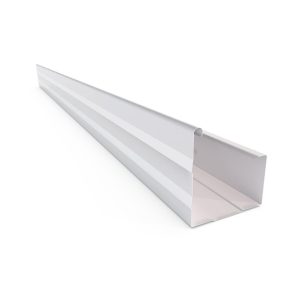
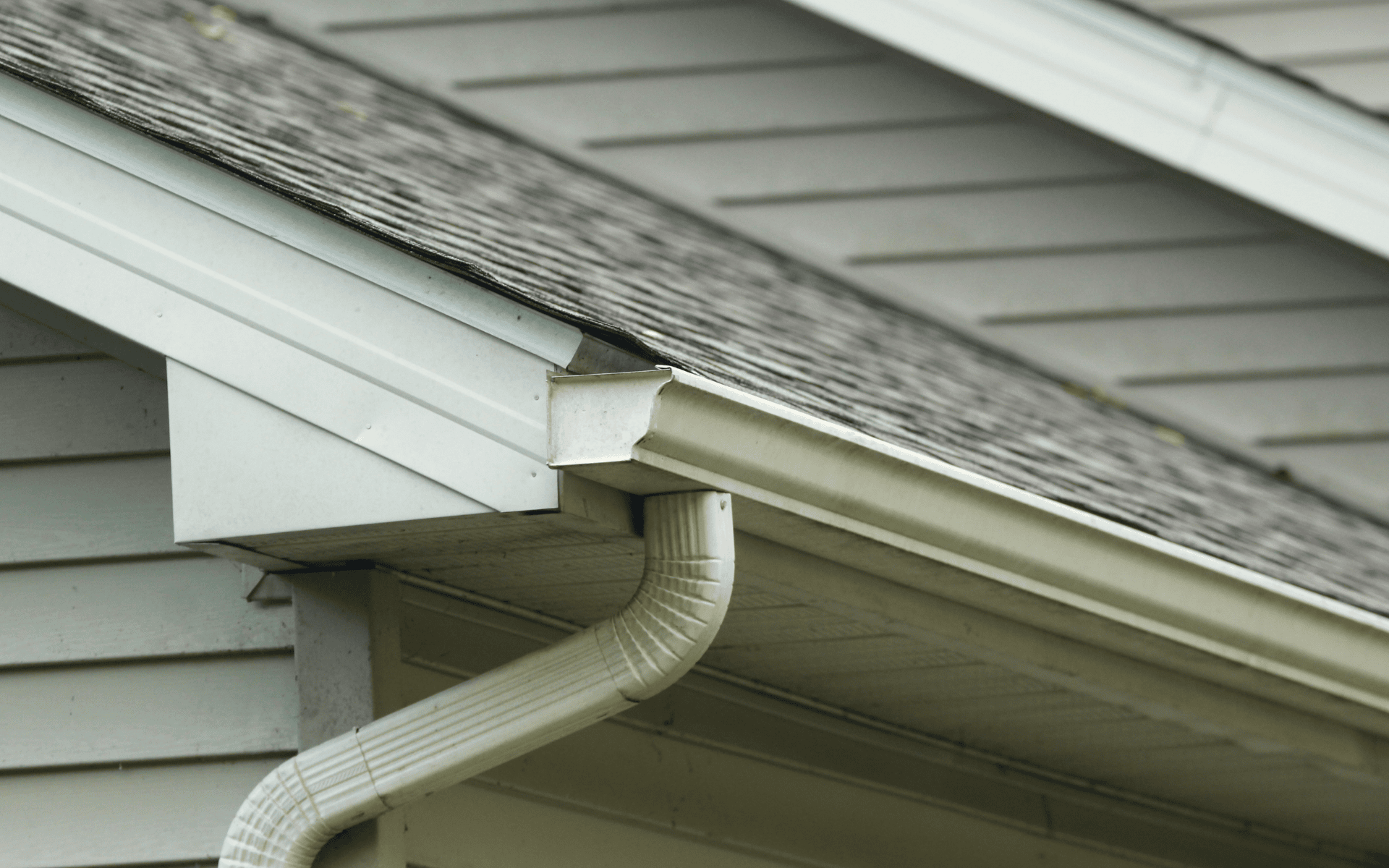
When designing a gutter system, it’s important to know the different types to choose from. The type of gutter depends on the building’s design, the roof’s pitch and the rainfall intensity in the area. This blog outlines the various types of guttering systems and gutter profiles used in Australia, and which roof style they are most suitable for.
Types of Roof Gutter Systems
Fascia Gutters
Fascia gutters are the most popular type of gutter system in Australia. It combines the fascia and gutter into one component. This allows the gutter to be mounted directly to the edge of your roofline and eliminates the need for a traditional fascia board. Many fascia gutters also come with slotted fronts to prevent heavy rainfall from overflowing and reaching your roof’s interior. Since these gutters are visible from the ground, they come in a variety of design profiles to match different architectural styles. In Australia, these gutters are commonly made from Colorbond steel as the durable paint finish is resistant to peeling in the Australian climate.
Box Gutters
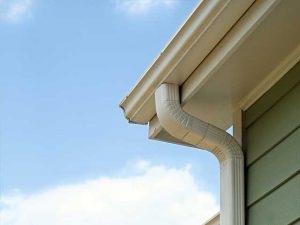
A box gutter is a concealed square gutter system integrated directly into the roof structure. They sit between two sections of the roof’s edge to create a seamless, hidden exterior. Box guttering systems are great at handling high volumes of water flow on larger roof areas. Although they aren’t a commonly used gutter design in Australia, they are becoming increasingly popular for modern homes. They are also frequently used in commercial projects such as office buildings, factories and warehouses.
Concealed Gutters
Concealed gutters, also called hidden gutters, are drainage systems built directly into the roof structure and behind the fascia. This provides a clean finish to the roof edge by concealing the gutters from view at ground level. These gutters are mostly found on older homes and sometimes on shop fronts. The enclosed design of concealed gutters can lead to various problems, including difficulty cleaning and internal damage from water pooling.
Valley Gutters
A valley gutter is an exposed open gutter installed in the valley of a roof. They are installed where two sloping roof surfaces meet to create a V shape. These gutters catch the rainfall runoff from both intersecting slopes and direct it towards the main drainage system. Valley guttering is usually installed on the areas of your roof most vulnerable to heavy rainfall.
Types of Gutter Profiles
Ogee Gutter
A colonial-style gutter, also called an Ogee gutter, is a traditional-style roof gutter. It features a decorative, S-shaped front ideal for heritage-style homes. Its distinct profile adds some character to your roofing to make your house stand out. The OG gutter design is also easy to maintain and very effective at rainwater drainage.
Quarter Round Gutter
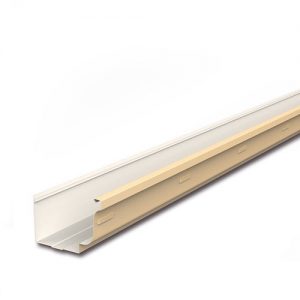
A quarter round gutter features a curved front that forms a quarter-circle shape and a flat back. The rounded front creates a modern look while also improving the gutter’s self-cleaning ability. Its flat base allows the gutter to sit flush against the fascia of contemporary homes. Slotted quarter-round gutters are also a popular choice for areas with heavy rainfall. The pre-punched holes in the profile prevent water from overflowing if rainfall exceeds your drainage capacity.
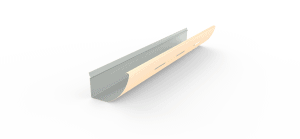
Squareline Gutter
The Squareline gutter profile features a sleek, square-fronted design with clean, strong lines. Its unique high-fronted face conceals the edges of the roof sheeting, providing a more attractive finish. This makes squareline gutters ideal for commercial properties, sheds, carports, and patios.
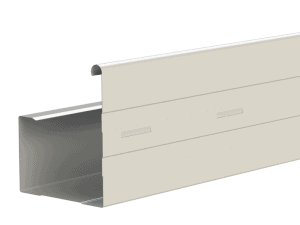
Household K Gutter
The Household K or HK gutter profile has a rigid, angled front face. It acts as a high-fronted system, which hides the lower edge of the roof tiles or cladding. This provides a clean, modern finish to your roof.
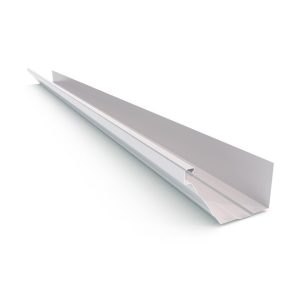
Vertical Fascia Gutter
The Vertical Fascia (VF) gutter profile was designed specifically for patios, carports, or verandahs. They are also widely used in commercial or industrial projects for their robust design. VF gutters feature a square front and a fold in the back that allows for easy installation onto roof cladding.