Concerns around rust, high costs and rigid designs hold a lot of builders and homeowners back from choosing steel framing. Despite how popular steel framing has become across modern builds, the same old misconceptions keep doing the rounds.
Below, we’re debunking five of the most common steel framing myths, separating outdated assumptions from how modern steel frames actually perform.
What is Steel Framing
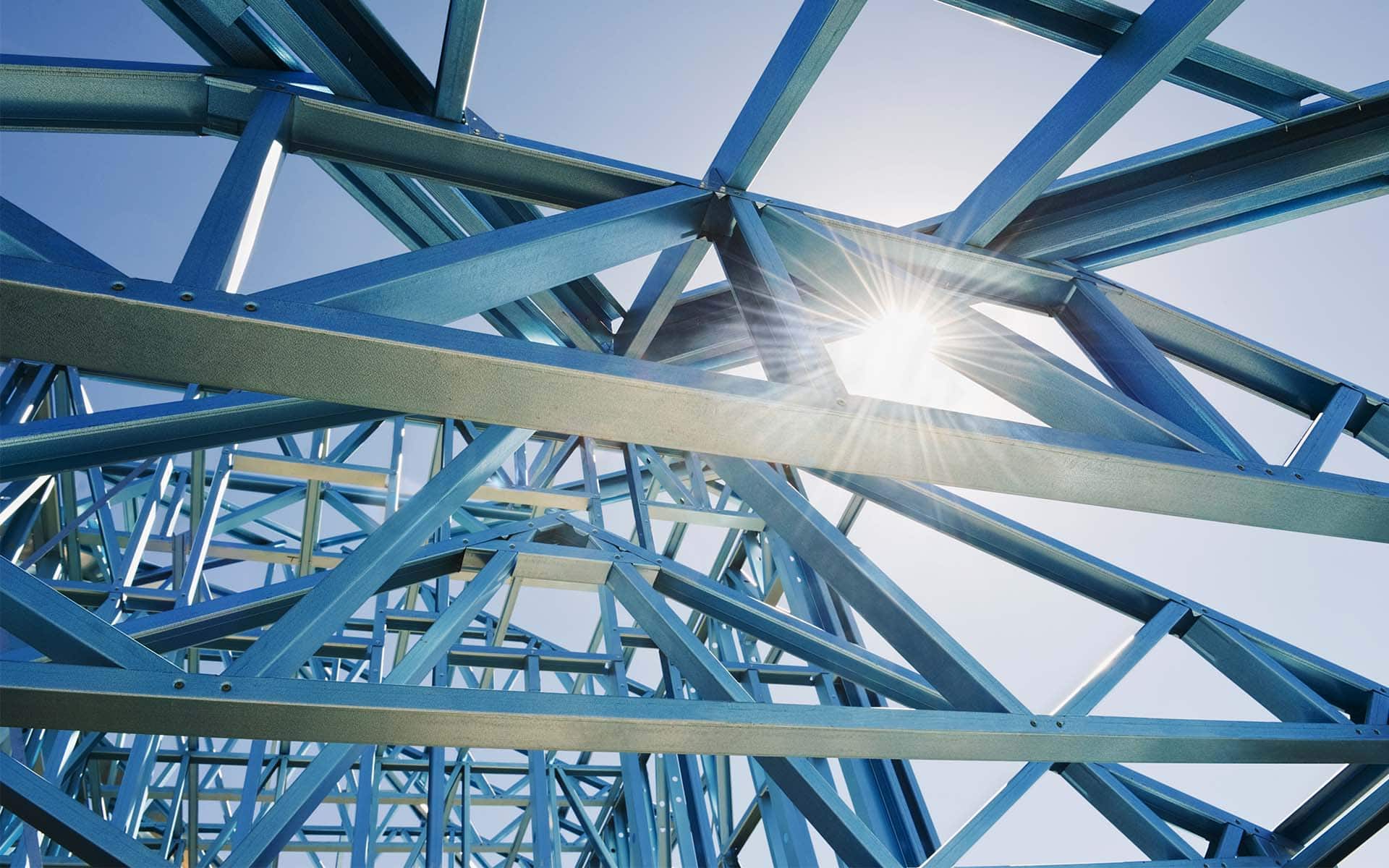
Steel framing is a construction method that uses a skeletal framework of cold-formed, light-gauge steel studs, tracks and trusses to support a building’s floors, walls and roof. Commonly used across modern residential and commercial builds in Australia, it provides a strong and reliable structural alternative to traditional timber.
5 Common Steel Framing Myths Debunked
Many concerns surrounding steel framing stem from outdated industry assumptions rather than the performance of modern engineering. Below are five common misconceptions and the reality behind each one.
Myth 1: Steel Frames Rust Easily Over Time
The Reality: A common concern is that metal frames will corrode inside wall cavities. However, modern residential and commercial steel framing is manufactured from high-tensile steel protected by advanced metallic coatings, such as an aluminium-zinc-magnesium alloy (including TRUECORE® steel). In standard enclosed environments, these coatings provide long-term protection against rust without requiring ongoing maintenance.
Myth 2: Steel Framing is Too Expensive Compared to Timber
The Reality: Looking only at the upfront raw material price can be misleading. While steel framing can sometimes carry a slight premium over timber initially, evaluating the total build cost tells a different story. Steel frames arrive pre-fabricated and dimensionally straight, which reduces on-site labour hours, minimises material waste and eliminates costly delays or callbacks caused by warped or shrinking timber.
Myth 3: Steel is Noisy When Temperatures Change
The Reality: Older metal roofing or poorly installed framing once gave steel a reputation for creaking or clicking as temperatures fluctuated. Modern steel framing systems use precision-engineered connections, thermal breaks and proper fastening techniques. When installed according to engineering specifications, thermal expansion noise is eliminated.
Myth 4: Steel Framing is Difficult to Work With On-Site
The Reality: Far from being rigid or cumbersome, modern light-gauge steel framing is designed to streamline on-site construction. Steel framing typically arrives pre-assembled or flat packed with pre-punched service holes for electrical cabling and plumbing pipes.
Myth 5: Steel Framing Limits Architectural Design and Customisation
The Reality: Some assume steel is only suited for rigid, boxy structures or standard floor plans. In reality, high-tensile steel offers exceptional design flexibility. Because steel has a high strength-to-weight ratio, roof trusses and floor joists can span greater distances without needing internal load-bearing walls, making open-plan living, raked ceilings and complex roof profiles much easier to achieve.
Key Benefits of Choosing Steel Framing for Your Next Build
Choosing steel framing for a residential and commercial build provides distinct advantages in strength, durability and construction speed compared to timber. Key benefits include:
- Long-Term Durability: Completely resistant to termites, rot, warping and shrinking, ensuring the structural skeleton of the building remains straight and intact for decades with minimal maintenance.
- Superior Fire Resistance: Non-combustible by nature, providing enhanced safety and compliance for projects in bushfire-prone regions.
- Precision and Straightness: Fabricated to exact engineering specifications, steel eliminates the callbacks, cracked cornices and sticking doors caused by timber movement.
- Design and Span Capability: High-tensile strength supports open-plan layouts, raked ceilings and complex roof designs without heavy structural bulk.
- Construction Efficiency: Pre-punched service holes and lightweight, pre-assembled steel frames speed up installation and keep project timelines on track.
Partner with Dynamic Steelform for Precision Steel Framing
When you are looking for steel wall framing for your next building project, partnering with an experienced local manufacturer makes all the difference. Dynamic Steelform manufactures and supplies high-quality steel frames for residential and commercial structures across Western Australia.
Contact us today to learn more about our steel framing solutions for your next build.